You have that friend.
You know the one who stopped drinking soda at work for a week and lost 20 pounds.
Or the one who has been going to the gym every day for a month before school and suddenly has a 6 pack.
Or the one who decided to go on a cleanse and it is all you hear about before every meeting and during every bus duty.
So, these might be some of the more extreme examples, but you know the frustration of trying to lose weight, especially during the school year, and not seeing any movement to the scale or even changes to how your clothes fit and your energy levels.

Before you throw in the towel and go back to your pile of grading instead of doing some meal prepping, I want you to run through this checklist of seven habits you should be integrating.
These seven habits are the ones I teach in the 6 Week Weight Loss Plan in more detail and are the same seven habits I used to lose 25 pounds over 10 years ago and keep it off.

- Hydrating properly for your body
- Eating a minimum of five servings of fruits and vegetables per day
- Meal planning for the week
- Meal prepping regularly
- Working out at least four times a week
- Paying attention to your HELTS
- Eating breakfast with protein
If you are being honest with yourself, are you honestly doing each of these habits consistently?
The bonus eighth habit is: Avoiding the junk food in the teacher lounge and skipping the snacks the students bring around. Do not fall victim to those butter braids!
If you are truly doing these seven things and incorporating them into your daily (and weekly) life, then there are seven questions I need you to ask yourself to determine if you are maximizing their effects, or if there are other areas you could improve so you can finally start to see that scale move.
It is the same thing we do with all that data from those test scores. You dig deep, ask the hard questions, and re-evaluate your plans moving forward. It might be time to re-evaluate and change your plans.
- How long have you been trying to lose weight?
I am talking about actually trying to lose it, not just thinking about losing it. You have actually been putting in the work of those seven habits listed above with fidelity. How long has that been?
Sure, a quick weight loss would be fantastic, but it is not reality. Weight loss is a slow process, with the average weight loss being half a pound to one pound a week. This means, those last 20 pounds could take anywhere from 20-40 weeks.
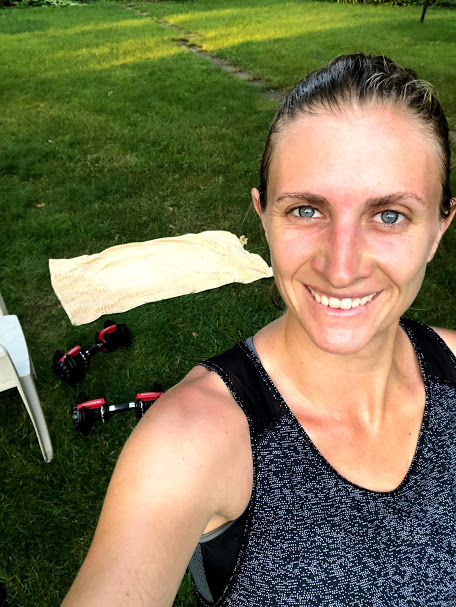

If you have only been on this healthier eating and exercise routine for a month, your weight is not going to move much. You have to stick with it for at least three months to see a real change, and even beyond that to see the bigger change you are after.
Just like with our students, there are going to be setbacks. There are going to randomly scheduled assemblies and late parent-teacher conferences (or sick kids) that will take you off track, but getting back to the routine of it all as soon as you can will make your progress much easier and quicker.
2. Does your body really want to lose those pounds?
Some bodies are just happy at a certain weight regardless of how you feel about it. I am not telling you this to give you an excuse for why the weight is not moving, but as a way for you to give yourself some grace if the work to see the ab definition is going to take you to a dark, uncomfortable place.
Definitely check in with yourself to be aware if that number you are chasing is a vanity metric, or if you would truly be healthier at that weight. If you are feeling strong, confident, and sexy where you are now, then ask yourself if you are honestly willing to do what it takes to get to that number?
Instead of using just the scale to measure your progress, consider some other ways like:
- Not needing certain medications
- How your clothes fit
- Being able to run around with your own kids after school
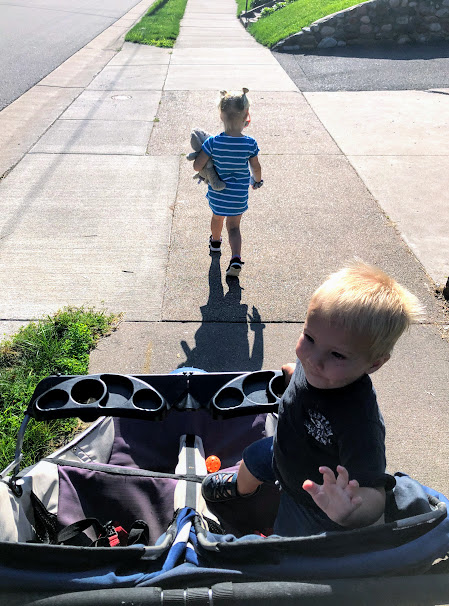

- Having sustained energy throughout the school day
- Your confidence level increasing
- Creating a before school workout habit
- Having healthier snacks on hand inc your classroom
- Being a role model for your students (and your own kids)
I highly urge you to find a different way to measure your progress than just the scale.
3. What types of foods are you eating?
Yes, your meals may be healthier, but are there still areas to improve? The more vegetables you can load onto your plate, the better. Vegetables have so many incredible benefits like:
- Increased fiber for better water and nutrient absorption
- More vitamins, minerals, and antioxidants
- Low in sodium and fat
- Decreases risk of heart disease
- Regulates your blood sugar
You can learn more about the importance of vegetables in this Facebook Live.
What are you snacking on between meals? I used to hit up the vending machine in the teacher’s lounge a few times a week for a quick sugar fix and energy boost at 10:30 am in my middle school teacher days. While my lunch may have been a highly nutritious salad with #allthehealthythings, my snacks were taking me down.
4. How much are you eating?
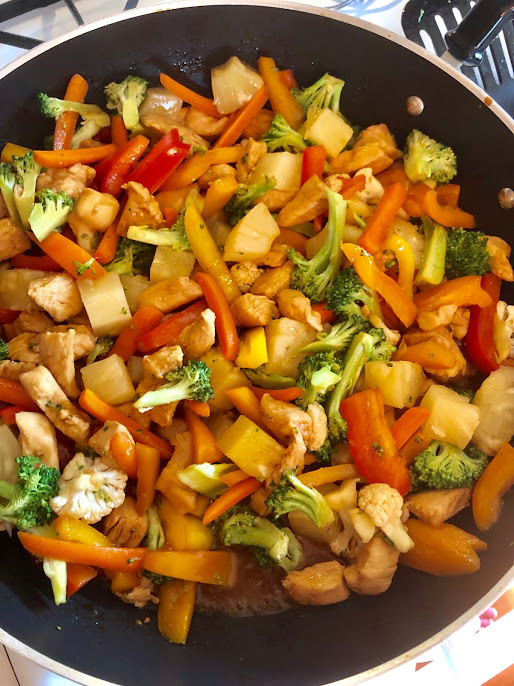
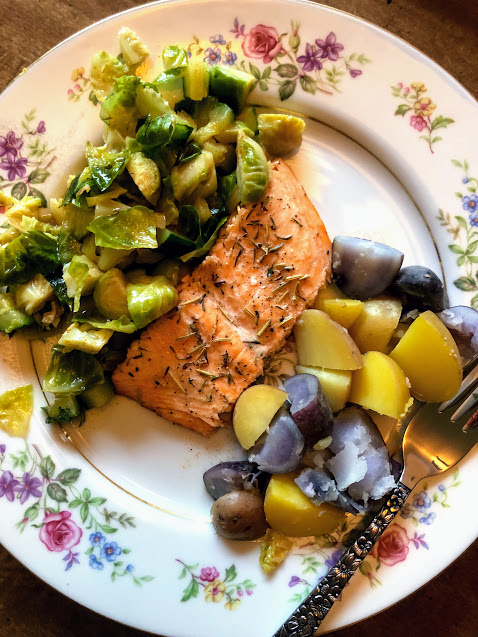
You also need to be really honest with yourself about you quantities of food. Sure your salad has all the right stuff in it, but if you are overeating, you are still going to add calories and not lose at the pace you would prefer.
Focus on portions and only going back for seconds after you have given your stomach about 15 minutes to register if it is full. Pay attention to your hunger and fullness cues as well as your emotional state when you reach for food.
As teachers, many of us tend to eat when we are worked up from a hard day (Oh hey that time one of my students put another kid through the sheetrock over a pencil.), but being mindful of this can change how you relate and view food as a comfort versus as fuel. Those are calories your body does not actually need.
I teach all about how to retrain your rewards system to stop using food as emotional healing and do something better for yourself in the 6 Week Weight Loss Plan.
5. How much are you drinking?
Alcohol, coffee, juices, energy drinks, sports drinks, etc. If it is not water, you are probably having a calorie-packed and sugar-laden beverage that is weighing you down.
Yes, I understand the importance of that morning coffee to have you fully functioning for first period. Not to mention that cocktail at the end of the day to unwind and help get through some grading, but anything in between there (or if those two are in excess) needs to be water.
Start replacing some of those other drinks with water, seltzer (with no additives), and minimal additions to your coffee and tea. You do not want to be drinking your calories as all, but water, provide no nutritional value or benefit to your body.
6. What type of exercise are you doing?
Steady state cardio (think walking, biking, running, swimming) is not going to burn the same amount of calories, or for as long, as weight lifting, interval training, and plyometrics.
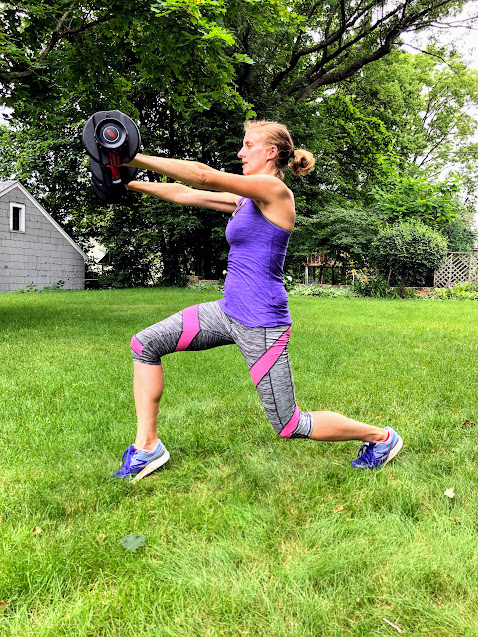
Pick up heavier dumbbells and get going on a weight lifting routine at least twice a week. A few workouts you can easily do before work (or once the kids crash at night) include:
- Boulder Shoulder Maker Workout
- Cardio Interval Repeats
- 7-7 Arms
- Thigh Burner Workout
- Cardio & Core Circuit Workout
You also have to stop using the excuse that you are too busy to workout. I know you get up early to get to work. I know you come home to driving your kids to all the events plus the house chores, but you have to take this time (even just 20 minutes) to move your body in positive ways. If you make these workouts strategic (not just walking), you will get so much more benefit for your time.
Here are six workouts you can easily do even while your own kids are milling around.
7. Are you moving your body in other ways?
Even if your designated workout was a killer, you need to still be active during the day. As a teacher, that is not hard to do since you make laps and laps around your classroom. This also applies to when you get home from work to not just sit on the couch, but to play with your children.
A 20 minute workout is not going to be enough movement for your body. This might mean you actually have to do the active monitoring on test days. (insert eye roll)
Planning Ahead
After you spend the time honestly answer these questions for yourself and not hiding anything from what you know you are currently doing to what you should actually be doing, you need to make the plans to make the changes.
- Schedule your workouts and plan your meals just like you do your lessons.
- Prep your meals like you do your classroom for the day.
- Check in with yourself weekly just like you do with your students.
- Evaluate your progress monthly just like you do with the test scores.
You have the skills, the knowledge, and the drive to make this happen. There is no magic pill or quick fix to losing weight, just putting in the work.
Go make it happen.


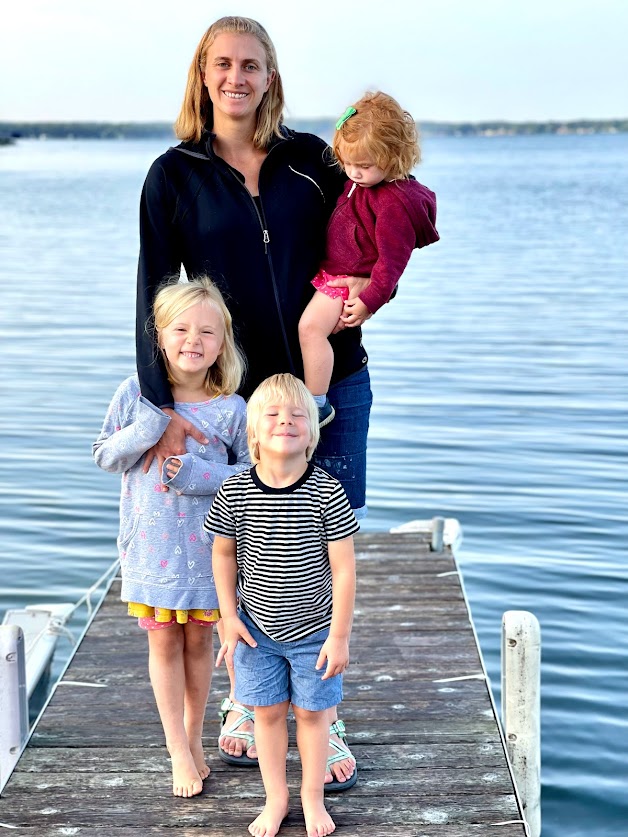
I’m Brooke Selb, a Personal Trainer and Health Coach specializing in helping busy moms and moms to be to easily juggle mom life with family friendly recipes, and easy exercise routines to help you achieve your fitness goals that fit in with your already busy life with sound nutritional advice.


Exercises makes an great impact on losing weight, it also helps in staying fit for long. This article is really helpful, thank you for sharing. I loved all the tips that you have mentioned.
Thank you!
Great information, Everything i have read is helpful. I am definitely gaining knowledge on losing weight the right way. Thank you for sharing.
Thank you for your kind words. I am glad you are making progress with your weight loss!
Thank you so much for posting this article..
You are welcome. I hope it helps!
thank you for providing us great content because I think that weight gain is a current issue all the time. And almost everybody is suffering from that thank you again
It certainly is something many people are currently struggling with more so than in the past.
Perfect timing for this post! Appreciating the time and effort you put into your website and in-depth information you offer. You’ve really covered up almost all the possible info that every health-conscious person should follow, and the explanation is really helpful. Worth sharing! Please do continue sharing updates! Thanks a lot!
Thank you for your kind words!
Losing weight is an issue we all face
thank you for sharing these insightful information
Thank you for sharing this article.
Wow!!! I really like your weight loss tips. Thank you so much for sharing this post.
Hopefully they help you find some systems and strategies that are ideal and sustainable for you!
I like your blog, thanks for sharing. I love this information you shared with us. I am waiting for your next post. Keep it up.