Often times a client will come to me expressing the goal of losing some specific amount of weight, but has no framework for how she wants to do it.
While weight loss is a perfectly fine goal, and serves as a base, it lacks the substance of tough questions like, “how”, “when”, and “is that possible right now?”
A SMART-R goal is a tool you can use to help answer these tough questions. I find them essential in my clients’ training, as well as my own, as they give you a solid way to measure your progress and know almost exactly where you are struggling.
I should warn you now that a solid SMART-R goal does not stop at one sentence.
So, what does SMART-R stand for?
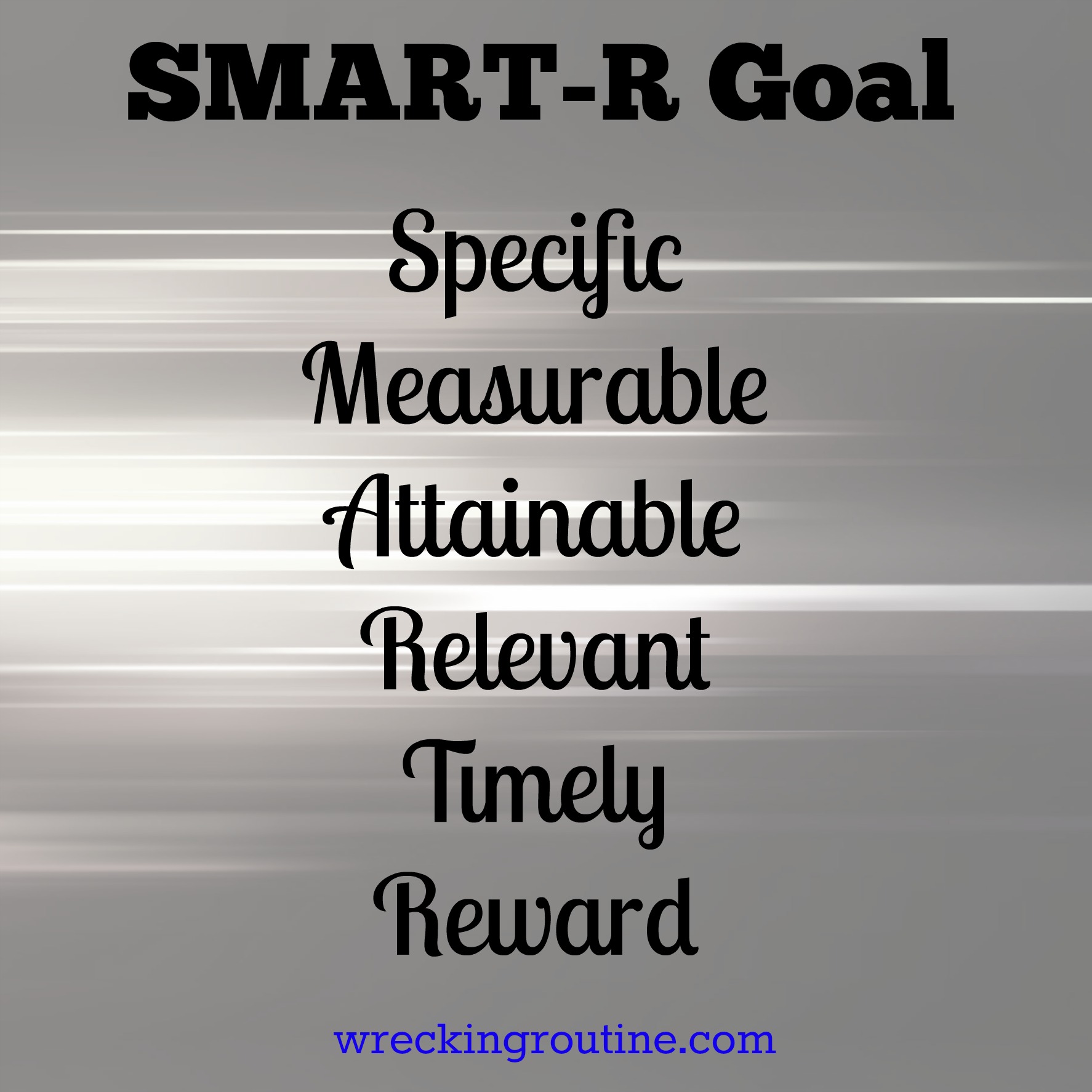
Specific, Measurable, Attainable, Relevant, Timely, and Reward. Let’s break this down a bit further using the common goal: “I want to lose 20 pounds.” This SMART-R Goal Printable might help you move through each step to create your own goal.
Specific: How are you going to reach this goal?
Get into the nitty-gritty of it. Where do you need to move more? Where do you need to cut back? How are you going to do these things? Once you’ve answered those, you can add to your goal:
“I want to lose 20 pounds by intentionally moving at least 60 minutes, 7 days a week, and eating healthier snacks by packing my food for work.”
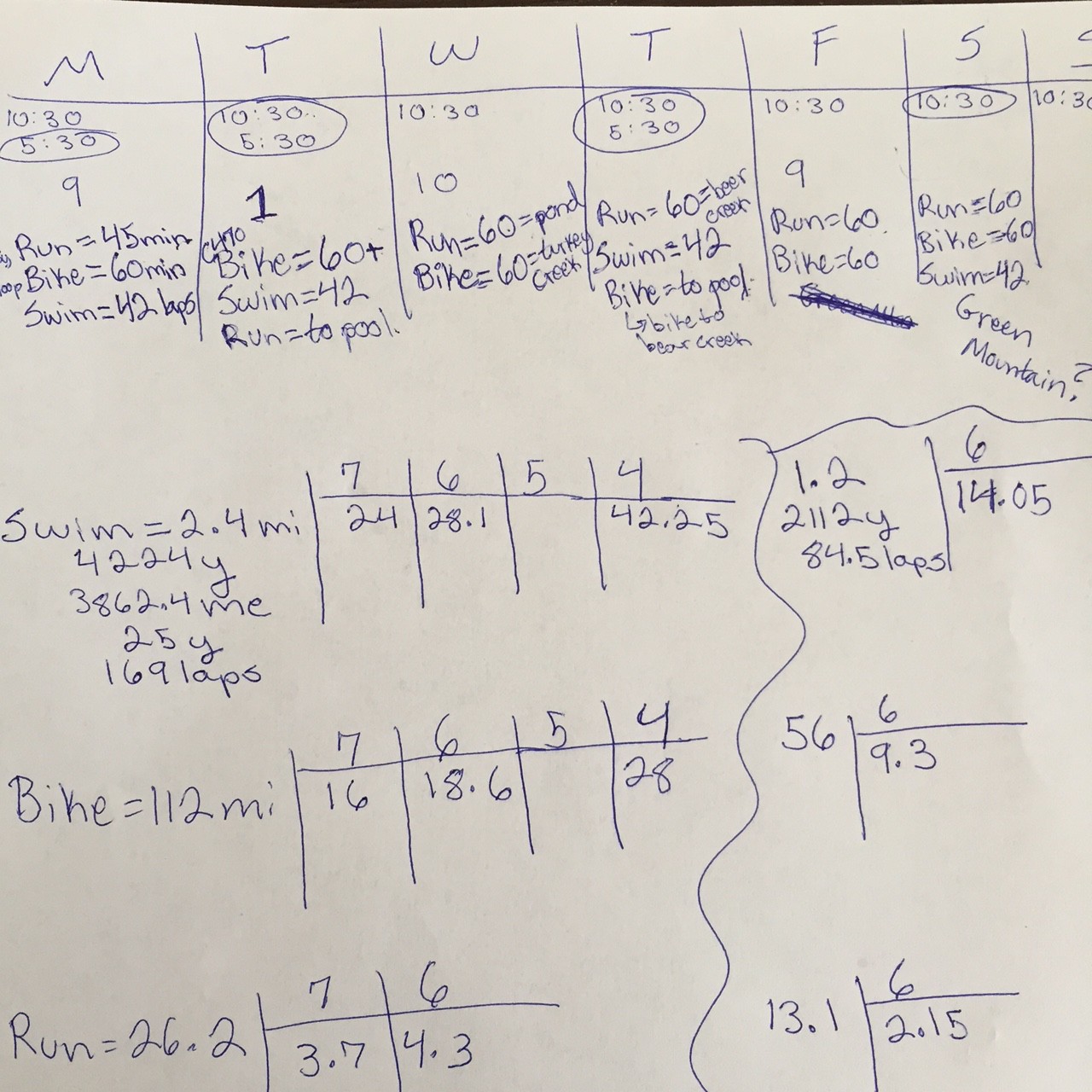
Measurable: How will you be able to measure your goal? Not just the end goal, but the progress towards that goal as well?
Note: If weight loss is your goal, but scales are a trigger, or make you anxious, then measure by how your clothes fit, your breathing during exercise, and/or your confidence level.
“I want to lose 20 pounds by intentionally moving at least 60 minutes, 7 days a week, and eating healthier snacks by packing my food for work. I will measure my weight loss by trying on my ‘little black dress’.”

Attainable: Will you be able to achieve this goal with the specifics and measures you have set for yourself? Will you be able to achieve this goal in the timeline you established (see timely)?
Take a look at your schedule, your commitments, and your supporters (family, friends, kids) and decide if it’s possible to make this goal happen with all those things. If you have to alter your goal, then do it, but don’t throw it out the window completely. After all, you’re in the process of making this goal, which means you’re ready for a change, regardless of how big or small it needs to be for this time in your life.
“I want to lose 10 pounds by intentionally moving at least 30 minutes, 4 days a week, and eating healthier snacks by packing my food for work. I will measure my weight loss by trying on my ‘little black dress’.”

Relevant: Does this goal actually matter to you? Would it better your life if you reached it?
What would losing those initial 10 pounds truly mean to you? Or does it mean nothing because your secret goal is to actually stop binge-eating ice cream after everyone else has gone to bed? Though the “relevant” portion doesn’t add a phrase to your written goal, you do really need to think about the behavior you want to change. Really think about your true goal. Then create your SMART-R framework for that.
A tough question, yes. Skippable, absolutely not.
“I want to stop binge-eating at least 4 nights a week* after everyone else has gone to bed by doing a different rewarding behavior such as reading, listening to a podcast, or scrapbooking. I will measure my progress by keeping a journal of nights I binge-ate vs nights I engaged in a different behavior.”
“I want to lose 10 pounds by intentionally moving at least 30 minutes, 4 days a week, and eating healthier snacks by packing my food for work. I will measure my weight loss by trying on my ‘little black dress’.”
Timely: How soon is it attainable and realistic for you to achieve this goal?
Again with those schedules, commitments, and safe health practices. Losing 10 pounds in a week is not only dangerous, but it doesn’t create changed habits. We’re not going for quick fixes here, but rather, lifestyle changes.
Set your timely goal for both your initial goal, and when you want to re-evaluate.
“I want to stop binge-eating at least 4 nights a week* after everyone else has gone to bed by doing a different rewarding behavior such as reading, listening to a podcast, scrapbooking, or writing to a friend. I will measure my progress by keeping a daily journal of nights I binge-ate vs nights I engaged in a rewarding behavior. I will share my journal with my trainer/coach every week and re-evaluate my goal in 4 weeks.”
“I want to lose 10 pounds by intentionally moving at least 30 minutes, 4 days a week, and eating healthier snacks by packing my food for work. I will measure my weight loss by trying on my ‘little black dress’ every 2 weeks and re-evaluate my goal in 6 weeks.”
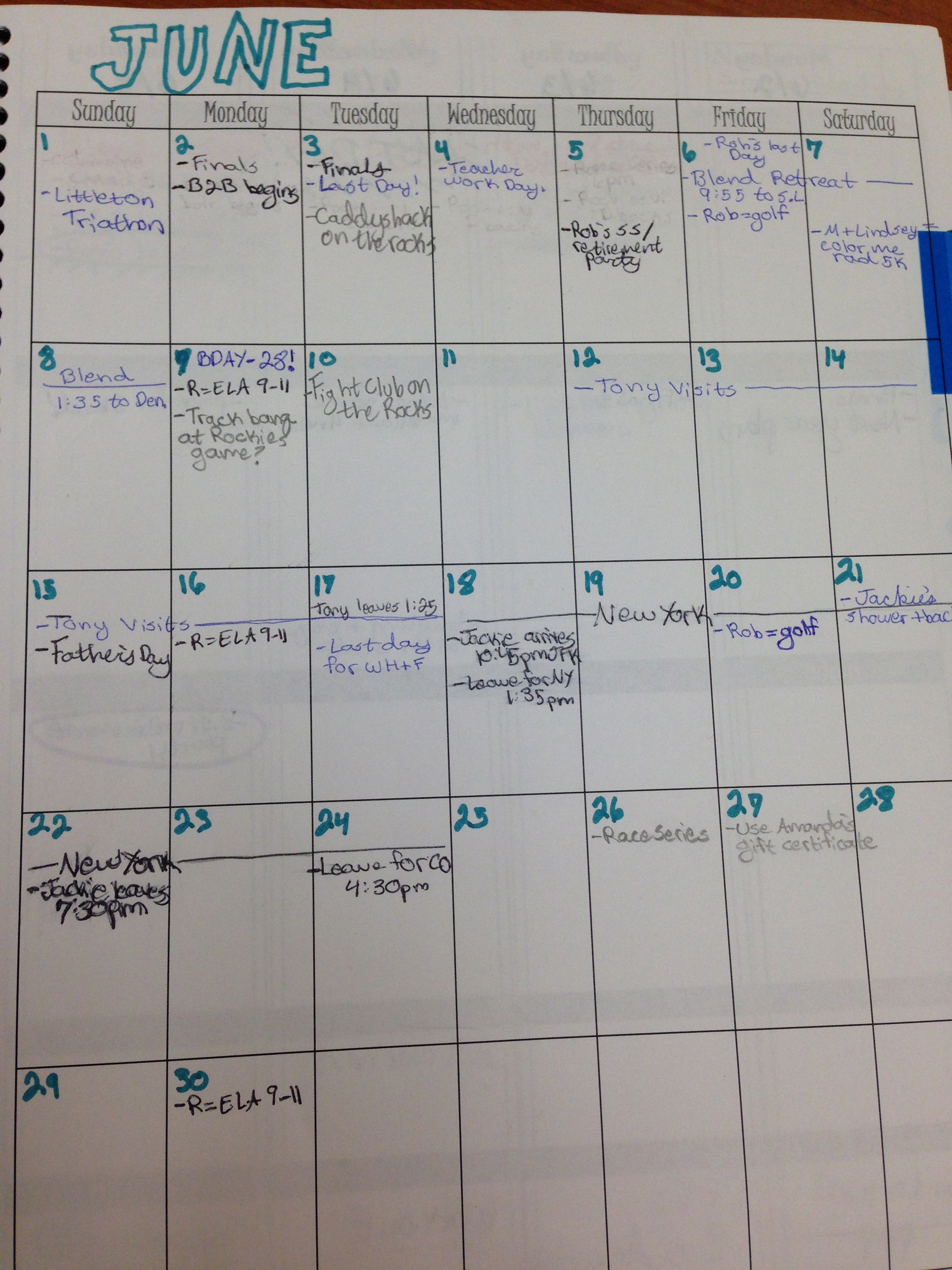
Reward: When you reach your goal, how will you reward yourself in a healthy way?
Most of use are reward-centered. Meaning, we will work for something if there is a benefit at the end of it. For that reason, I add the “R” to end of the goal. When setting your goal, set a reward as well. Something healthy, empowering, and will keep you working towards it. Here are some ideas for rewards (check the ideas in the comments of that post too!)
“I want to stop binge-eating at least 4 nights a week* after everyone else has gone to bed by doing a different rewarding behavior such as reading, listening to a podcast, scrapbooking, or writing to a friend. I will measure my progress by keeping a daily journal of nights I binge-ate vs nights I engaged in a rewarding behavior. I will share my journal with my trainer/coach every week and re-evaluate my goal in 4 weeks. When I reach my goal, I will reward myself with a one-hour massage.”
“I want to lose 10 pounds by intentionally moving at least 30 minutes, 4 days a week, and eating healthier snacks by packing my food for work. I will measure my weight loss by trying on my ‘little black dress’ every 2 weeks and re-evaluate my goal in 6 weeks. When I reach my goal, I will reward myself with buying a fancy blender.”

*Yes, while binge-eating only 3/7 nights a week is still not ideal, SMART-R goals are meant to be attainable and relevant. Meaning, meeting yourself where you are by still challenging yourself to change behaviors. The end goal, perhaps in 6 months to a year, can be to eradicate binge-eating behavior completely.
If you want to try writing your own goal, use this SMART-R Goal Printable as a guide.
If you would like help writing your SMART-R goal, shoot me an email at wreckingroutine@gmail.com. I would be more than happy to support you in this process!
RQ: What is one of your goals? Do you set SMART-R goals?

I’m Brooke Selb, a Personal Trainer and Health Coach specializing in helping busy moms and moms to be to easily juggle mom life with family friendly recipes, and easy exercise routines to help you achieve your fitness goals that fit in with your already busy life with sound nutritional advice.


Trackbacks/Pingbacks