A gestational diabetes diagnoses is not easy. From some lifestyle changes, diet considerations, and timing your meals and blood sugar tests, you are allowed to feel angry.
My gestational diabetes diagnoses came as a shock.
Even though my mom had gestational diabetes with her third and fourth pregnancies, and my older sister had it with her third as well, I was not expecting to have the same issue.
Nor was I expecting to break down crying in the diabetic nurses office when she told me I needed to start taking nighttime insulin to control my morning fasting numbers.
Nor did I expect to be so brain foggy and irritable from limiting my carbohydrate intake on foods like fruit, beans, corn, quinoa, and rice.

This post contains affiliate links. I appreciate your support!

Though I guess the writing should have been on the wall given my very relaxed attitude surrounding eating more toasted blueberry bagels with extra cream cheese than I actually need while pregnant.
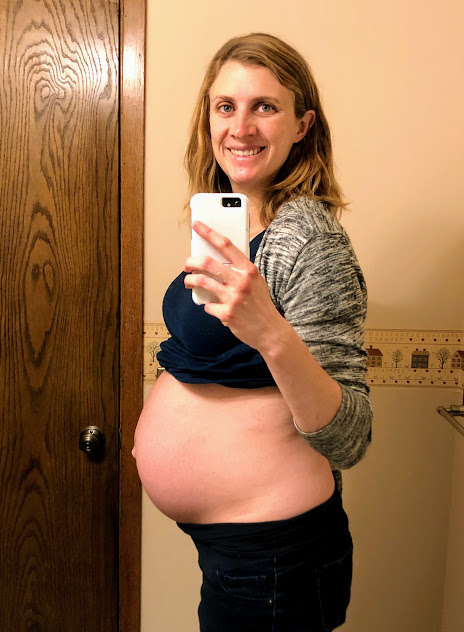
Now, at just over 36 weeks pregnant, I have mostly accepted the diagnoses and have my fasting blood sugar under control with the help of before bed insulin.
To say that I never want to even come close to having diabetes for real is an understatement. With a gestational diabetes diagnoses comes a 50% more likely chance of developing Type II diabetes later in life.
Considering all the doctor visits, nutritionist conversations, time at the pharmacy, mental energy of tracking my snacks and when I last ate, plus the expense of insulin, test strips, and needles, there are going to be a few lifestyle changes once baby arrives to ensure getting Type II diabetes later on does not happen.
Not much has to change, but I definitely have to slow my pasta loving roll.

My Gestational Diabetes Diagnoses
After failing the one hour glucose test around 28 weeks, I had to sit for the three hour glucose test the following week (just like I did with Zoey and William).
Note that I failed that one hour test by exactly one point.
One.
I will spare you my thoughts on making a person who rarely sits down to a pile of sugar chug 10 ounces of warm lime-flavored fluid containing 100 grams of Dextrose in exactly five minutes in order to see how her body reacts and just tell you that my numbers from that three hour test came back high enough to diagnose me with gestational diabetes.

As a reference point, my numbers were: (I had to be at or below the second number.)
- Fasting – 98 / 95
- 1 hour – 189 / 180
- 2 hour – 128 / 155
- 3 hour – 58 / 70-140
I was livid.
And frustrated.
And put all of the blame on myself.
In fact, it has taken me up to about two weeks ago to finally (mostly) accept this gestational diabetes diagnoses and stop beating myself up about it.
After the initial diagnoses and meeting with the nutritionist, I spent a full month trying to regulate my blood sugars through diet. This meant testing my blood sugars four times a day, eating protein and a specific amount of carbohydrates at specific times during the day, and trying not to freak out when my morning fasting number was the only one that would not normalize.
You can ready more about what exactly gestational diabetes is here.
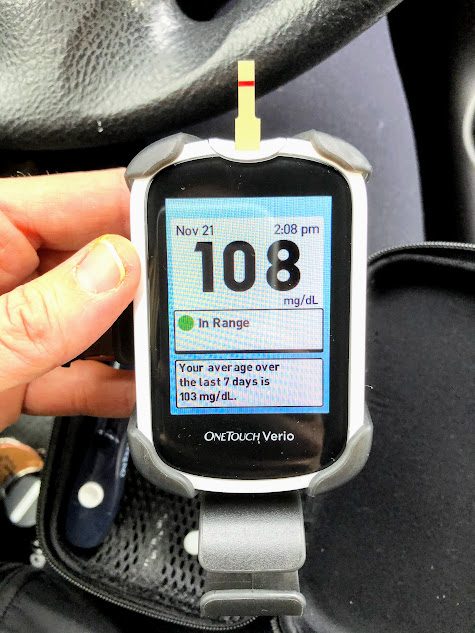

I tried to get that morning number into range by:
- Going for a short walk before bed (aka walking laps around my house because it was too cold and late to be outside)
- Waking up in the middle of the night to have a snack (eating a cheese stick and peanuts at 2am is disgusting)
- Chugging water before bed (equated to more getting up to pee in the middle of the night)
- Testing my blood sugar before even getting out of bed (I could not see a thing)
- Going for a run or a workout before testing my morning number (not smart as it has the opposite effect if you are fasted)
- Trying different evening snacks (mixes of carbs and proteins, but nothing worked well enough)
So, it was onto insulin I went. I started at six units of insulin before bed. The rule is if my morning fasting number is over the target range twice in a 5-7 day period, I have to up the insulin by two units that night. Currently, I am sitting at 20 units, which has been holding steady for the past two weeks.
If you have recently been diagnosed with Gestational Diabetes and are struggling to come to terms with it, please know that you are not alone. I am with you. I feel you on this, deeply.
Do what you can to manage your blood sugar, feel the feelings, and when you are ready, start accepting. It took me a long time to get there (about two months), and I am still working on accepting it fully, especially as someone who eats generally well and was in really good shape before getting pregnant. You can do this!

My Gestational Diabetes Management Plan
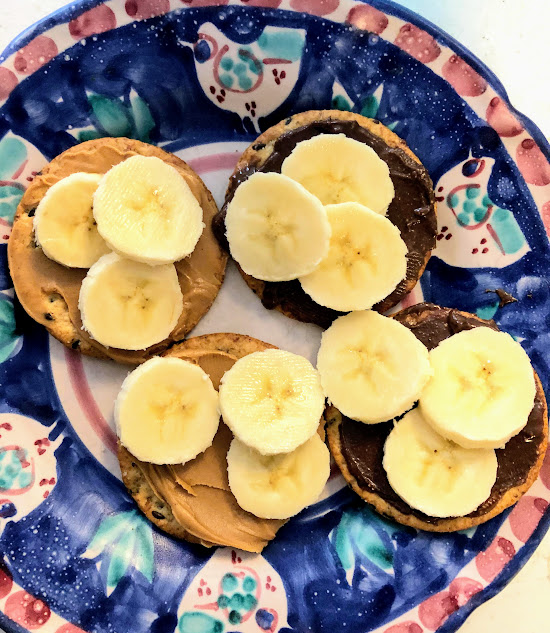
Your nutritionist is going to give you a specific protocol for what to eat based on your body. These are just what my nutritionist gave me to follow based on my height, weight, and activity level. Make sure you are following the specific protocol you were given.
- Breakfast – 30 grams of carbohydrates
- Morning Snack – 15-30 grams of carbohydrates
- Lunch – 45 grams of carbohydrates
- Afternoon Snack – 15-30 grams of carbohydrates
- Dinner – 45 grams of carbohydrates
- Evening Snack – 15-30 grams of carbohydrates
As a side note, my nutritionist was probably one of the most fit women I have ever met and she had gestational diabetes with her third and fourth child as well. It truly can happen to anyone!
Even though I have to follow these specific carbohydrate guidelines and times to eat throughout the day (no more grazing during nap time), the diet recommendations did not seriously impact how I was already eating.
A few stand out changes:
- No fruit in the morning. I love berries in the morning (and smoothies), so this has been tough, but since I am most insulin resistant in the morning, it is a non-negotiable.


- Having two specific snacks a day. I tend to graze in the afternoons, which I have had to stop.
- Higher protein. I get plenty of protein in my diet, but this has taken it nex level for me personally as I have to start by planning the protein source in each meal and snack. My tendency is to plan my vegetables first and infill the protein.
- Portioning out my meals. Usually I just eyeball my food based on how hungry I am, but with dishes like our family favorite Southwest Quinoa Dinner Dip, I have to physically measure my portion size.
- Skipping any type of mindless eating. No popcorn in front of the TV on a Friday night or munching something at my desk.
My Personal Struggles With Gestational Diabetes
The mental planning and emotional guilt I have felt since being diagnosed with gestational diabetes has been very real. In many ways, that has been the hardest part for me to deal with while the food just feels like a fun challenge.
Another non-food related struggle for me has been dealing with all the nurses and doctors in what feels like scare tactics. Tactics like:
- No longer being allowed to see my midwife after being diagnosed and switching over to an OB.
- Being told by my OB that she wants to induce me a week or two early to prevent a stillbirth.
- All the concern around having a baby over nine pounds and how hard of a birth that could be. (William was 9 pounds, one ounce and was out in 5 minutes.)
- Having to test my blood sugar for two weeks postpartum to ensure that I am no longer a diabetic using completely different target range numbers.
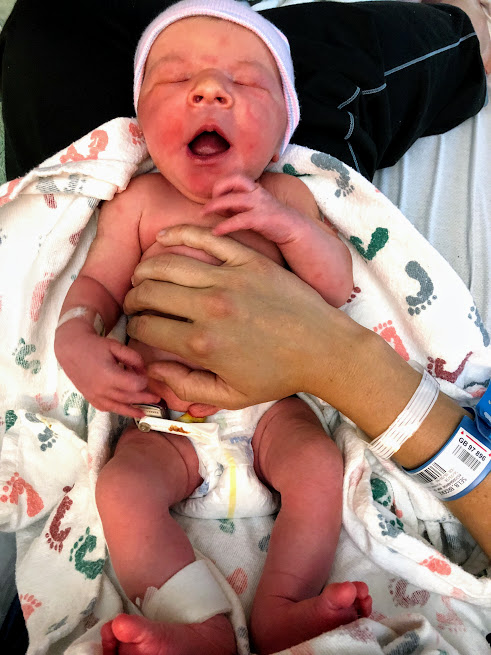
- Testing the baby’s blood sugars every hour after birth to ensure the baby is not a diabetic.
While I realize the doctors are being precautionary, it seems like they are trying to instill more fear than necessary.
Apart from those, some of the food-related struggles I am having include:
- Having no noticeable symptoms. Whether my sugar is higher, lower, or within range, I feel exactly the same. For someone who is pretty in tune with her body, I find this immensely frustrating that I cannot go by feel.
- Being a bit more tired than normal since I do better on a higher carb diet. I typically eat a lot more fruit, vegetables, rice, beans, quinoa, and pasta. All things that need to be limited and measured while a gestational diabetic.
- Timing when I start eating and testing sugars exactly an hour later. This has forced me to really concentrate on eating a bit quicker since it could take more than an hour to get through a meal with the kids.
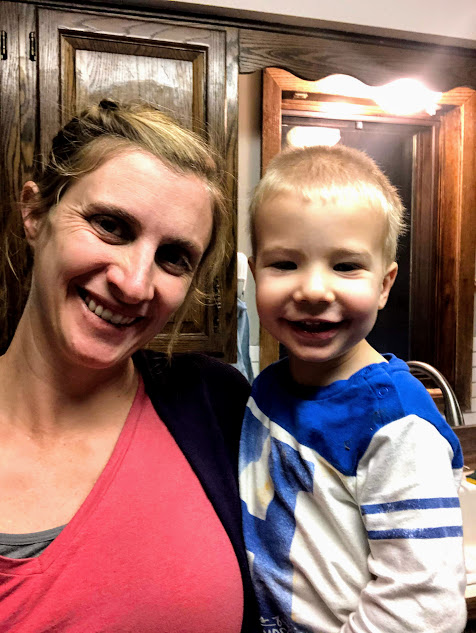
- Remembering to have snacks in the morning and afternoon. The morning one is a bit easier since the kids usually want a snack around 10, but the afternoon one is often forgotten because I get busy working, or we get busy playing.
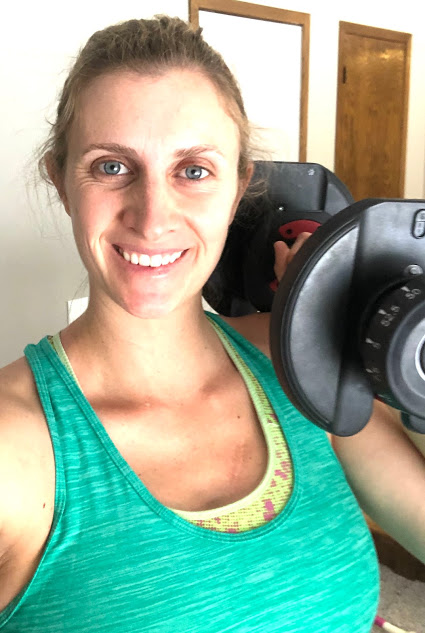
- Finding a good time to workout. Typically, I workout in the mornings before the kids wake up and before breakfast, but fasted workouts are not good for a gestational diabetic as they spike that fasting blood sugar number. Switching workouts to the afternoons has been difficult and I am only managing about three days a week.
Benefits of Having Gestational Diabetes
With my 2020 word being “Celebrate”, I have spent a bit of time trying to find the silver lining here in what feels like a darkness. There have been a few benefits to my eating habits as a result of being a gestational diabetic.
- Learning portion control. Smaller salads, smaller dinners, smaller lunches. I am eating less in one sitting because I am eating so often throughout the day and have had to measure out portions.
- Learning how many carbs are in a food. Since I am on such a strict carb count, I have had to really pay attention to the carb labels. I used to first pay attention to sugar and then move to sodium, so learning how high (and low) carb a certain food is has given me more specific numbers to go by.
- Ending grazing. I think parents everywhere can attest to the fact that we eat the most when the kids are asleep. Suddenly we do not have to get anyone else a snack. During nap and quiet time, this is when I would typically graze for about an hour while I work and get a bite or two. With GD, I had to stop that. Not a bad thing!
- Slowing sugar cravings. I still crave something sweet after meals, but with GD, that has to be extremely limited. Avoiding it all together, or having something very small has helped minimize that urge.
This gestational diabetes diagnoses has been very hard for me to accept, and while I have learned a few things along the way and am following the protocols, I am still not fully into agreeing with it.
Please know that if you are struggling with your own gestational diabetes diagnoses, I completely understand. It will get easier to manage the four per day finger pricks, the adjustments to your eating, and the planning for birth. Do your best to be an advocate for your own care and doing what is best for you, your new baby, and your family. You can do this!
Update 9/29/2021
We had a healthy baby girl on February 4, 2020 after a very long day of induction. You can read all about Hazel Christine’s birth story here.


I’m Brooke Selb, a Personal Trainer and Health Coach specializing in helping busy moms and moms to be to easily juggle mom life with family friendly recipes, and easy exercise routines to help you achieve your fitness goals that fit in with your already busy life with sound nutritional advice.


Please don’t beat yourself up about this! You’re completely owning this diagnosis and doing everything you can which is amazing! Good luck with it all x
Thank you so much for your positive words and encouragement.
Wonderful article Brooke! This will not only benefit other mothers struggling with GD, but it will help those of us who need knowledge of how to avoid diabetes!
Thank you for your detailed analysis of how we should be eating. Who knew fruit and vegetables could contribute to diabetes! Many thanks!
I love that you found some hidden benefits to your gd! I know so many fit, healthy people who have had it, but I know that it still stings when you’re a health coach. I found out that I have Celiac a few years back, and although I miss a lot of old foods, there are benefits to not being able to eat that occasional Big Mac or drink that beer.
I really had not heard much about it until I was diagnosed. It is so strange that healthier people get GD. I am so sorry to hear about your Celiac. That is a really difficult diagnoses.
Pregnancy definitely has it’s difficulties, having to add things like gestational diabetes or in my case placenta previa into the mix definitely make it more complicated. So hard sometimes to have to go back to the drawing board and change your pregnancy and birth plan ideas and dreams.
I am so sorry about your placenta previa. That is so uncomfortable and really does change all the pregnancy and birth plans. That’s part of being a woman though, right? Pivoting our plans to do what is best for our babies right away.
Great article. I’m certain a lot of women can relate!
Thank you. I am sure I am not the only one who gets angry about it.
Thanks for sharing your story. As a fairly healthy nurse, who’s within a normal weight range, and walked about 2 miles a day on average, and no family history of diabetes of any sort, it never entered my mind that I might struggle with gestational diabetes. I’ve not been officially diagnosed yet, but my midwife has been having me check my sugar at home and told me there’s no point in taking the one hour test and to go straight for the three hour test. It’s been the most frustrating journey thus far and the grieving stage of anger is definitely in full force. The biggest frustration for me has been that I’m going to have to swap in the middle of my pregnancy to a new MD and going from a planned home birth to a hospital birth with full COVID restrictions still. It’s been a month and I’m still feeling the anger quite strong and trying to find ways to manage all of this, especially with a busy schedule being a nurse and living on a farm. It was nice to at least know I’m not alone!
I am so sorry that you have this diagnoses (or close to it). It is not easy to manage and the anger behind it all is very real. It is so frustrating that you have to change your care team and your birth plan. A home birth would be so incredible! Hopefully you are still able to have most of the birth you want and you can manage your GD with exercise and diet.
A very nice article. It will help persons suffering from gestational diabetes as each and every concept is focused very minutely.
Thank you! I did a lot of research and did not want to leave anyone feeling too lost with this diagnoses.
Just found out I had GD and your article gives some relief. I am pretty healthy overall too and eating a pretty low carb diet before pregnancy, and it reassures me to see that it happens to very healthy people too.
Trying to hang in there with all the snacks you have to eat… ( I really can’t find the time at work ^^) . Probably will need some insulin for my fasting numbers too.
Happy to see that birth went well for you :).
I am so sorry to hear about your GD. Obviously, I had a really hard time with the diagnoses. I found it really hard to find foods to eat that didn’t spike my levels! When are you due?
Thank you for sharing your struggles as I too went through various emotions after getting diagnosed with gestational diabetes. So far I have been able to eat more than I thought I could but I still have this fear. Not to mention my two months of watching what I eat are the holiday months of November and December!!! Then I was measuring small at my last appointment so who knows what it means!!
It is all so confusing! I hope November and December went ok with navigating GD and all those treats. Not easy at all.
Thank you so much for sharing this. I was diagnosed about a month ago and am having a really hard time emotionally. The first few days of testing my numbers were good so I thought I didn’t have to be as strict and now I’ve had enough high numbers that I have to talk to the nutritionist before my next appointment. It’s so frustrating and upsetting. I find myself crying if I go out to eat or after a high number that doesn’t seem to make sense. I wonder if the stress of the diagnosis is more harmful than just having slightly high blood sugar sometimes. AND I wonder what kind of readings other non-GD women would get if they actually had to test 4 times a day. It all makes me angry. Sometimes I’m more positive and try to find some lesson or silver lining in it all. Like better eating in the future. But it’s not like I really eat all that bad anyway and why shouldn’t I be able to enjoy some pizza every now and then like others do. I just hope things go back to normal when it’s all over. Anyway… I feel your pain and I appreciate your sharing.
I am so sorry to hear about your diagnosis and those higher numbers. I completely understand how you are feeling about all this. I was so so angry, for months, about it all. Then I had to start on insulin and ugly cried in the nurse’s office (she was unphased). I am glad you’re letting yourself feel the frustration and anger and sadness with all of this. The silver lining will come eventually, but you are allowed to be upset.