Just like that we are back to Monday! How was your weekend?
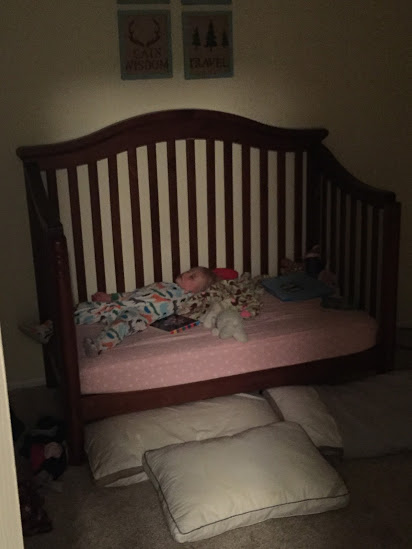
The big event of our weekend involved transitioning Zoey from her crib to a toddler bed. Since her crib converts, all we had to do was take one side off. After doing some reading on the best way to smoothly transition a toddler, Rob bolted the bookcase and dresser to the walls in case Zoey decides to play in there for a bit and start climbing things.
Friday night, our first night switching her over, I barely slept. I was a nervous wreck about her falling out, hurting herself, or coming into our room throughout the night. Of course, Zoey slept perfectly fine and only rolled out three times that I know of. Saturday night, I moved her back in once. It seems like she was ready for this transition!
Recently, I have been getting a lot of questions from clients about intuitive eating and if it is something they should do. I get questions about various types of diets often, but it seems as if intuitive eating and flexible dieting have been popping up more and more. While I cannot tell you what specific diet you should follow, I can only suggest, there are a number of things you need to think about before you decide to go the intuitive eating route.
Intuitive eating, or flexible dieting, is when you eat when you feel real hunger (rather than emotional hunger) and you eat what your body (not your mind) is needing. Instead of eating because it is “time” to eat, intuitive eating has you eat when your body naturally feels ready for more nutrients. So, yes, intuitive eating is the ultimate goal when it comes to your diet, it is not something I recommend you start right out of the gate on your journey towards a healthier lifestyle.
Instead, I recommend you spend time focusing on if these five things apply to you. If you can confidently say that they do, then you would most likely be successful with intuitive eating. If they do not apply to you, then you should set some goals and action plans surrounding each one to bring you closer to them.
Working with a Health Coach is the perfect way to reach these goals successfully and with a realistic action plan in place. Learn more about my Health Coaching services here.
You know the nutritional value of a wide variety of foods. The reason intuitive eating works is because those who do it already know what types of foods are best for their bodies. This is knowledge that takes time, experimentation, and research. For instance, if you are still learning how to prepare a balanced meal of fruits, vegetables, whole grains, and lean proteins, then you need to spend your time planning and trying different recipes. If you are still learning about the nutritional needs of your body, then again, you need time to plan to include those in your daily eating.
You have already evaluated your food triggers and found better alternatives that you are comfortable with and happy to eat. The thing about intuitive eating is that it forces you to be aware of how your body is feeling before, during, and after you eat. This means you already know how many cookies are too many, how much ice cream makes you ill, and you know when to, and can, stop eating before you reach that point. If you are still in the phase of learning how to say no, or to find healthier alternatives, then you are not ready for intuitive eating.
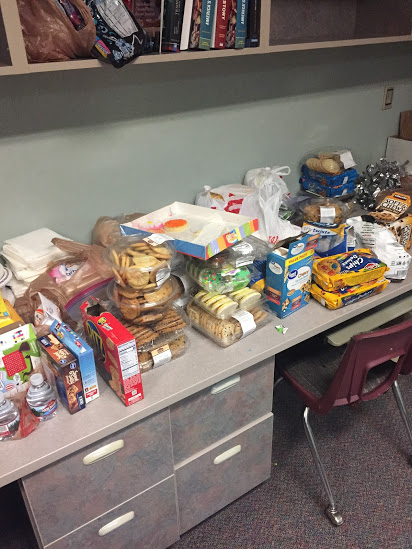
You are acutely aware of how different foods makes you feel mentally, physically, and emotionally. If you know that eating pancakes makes you depressed, that is a huge milestone. If you know that salad lunches leave you energized, you are on the right track. If you know that too much dairy makes you snotty, you are doing great. It is the seemingly little awareness factors surrounding what you eat and how it impacts you that intuitive eating is founded on. Essentially, do you know what makes you feel your best and what makes you feel your worst?
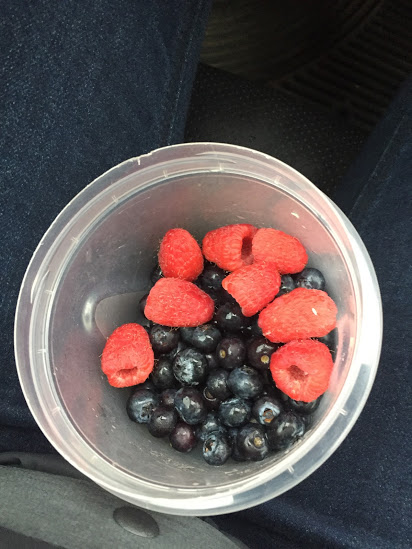
You have access to a variety of foods throughout your day. One issue with intuitive eating for those who work out of the home is you should be packing your food for the day. This means you are planning ahead for all the meals and snacks you will need while at work. Sure, you can still intuitively eat and work out of the house, but you need to do some planning ahead for what you bring with you. If you are not in the habit of already packing your food, then I recommend you start there and experiment with different types of foods you pack to fuel your day. Once you know what works best for your body, then you can transition to intuitive eating since you know that you do not necessarily have to eat everything you brought with you.
You can distinguish between true hunger, boredom, and thirst. This one takes time as many of us are conditioned to recognize thirst as hunger, many of us eat out of boredom (or another emotion), and many of us eat when we are “supposed” to. Once you can identify the differences in these three feelings, and honor them, then you are more likely to be successful with intuitive eating.
Whether you are ready for intuitive eating or not, it is not a bad or good thing. It is just where you are right now on your health journey. The goal is not to eat a certain way or restrict certain foods, but rather to be comfortable around food and fuel your body in a way that feels good mentally, emotionally, and physically.
Still want to make progress in your health, but not sure where to start? I can help. As a Health Coach, my goal is help you live a healthy lifestyle in a realistic and sustainable way. Take the quiz to find out if having a Health Coach is right for you.
What is your opinion on intuitive eating? Which area of your eating habits do you still need to work on?

I’m Brooke Selb, a Personal Trainer and Health Coach specializing in helping busy moms and moms to be to easily juggle mom life with family friendly recipes, and easy exercise routines to help you achieve your fitness goals that fit in with your already busy life with sound nutritional advice.


