One of the main reasons we overeat is because we do not listen to our hunger cues. Meaning, we wait until we are so hungry we cannot think and then attack the first things we see, which tends to result in eating too much and eating poorly (hello all the chips!).
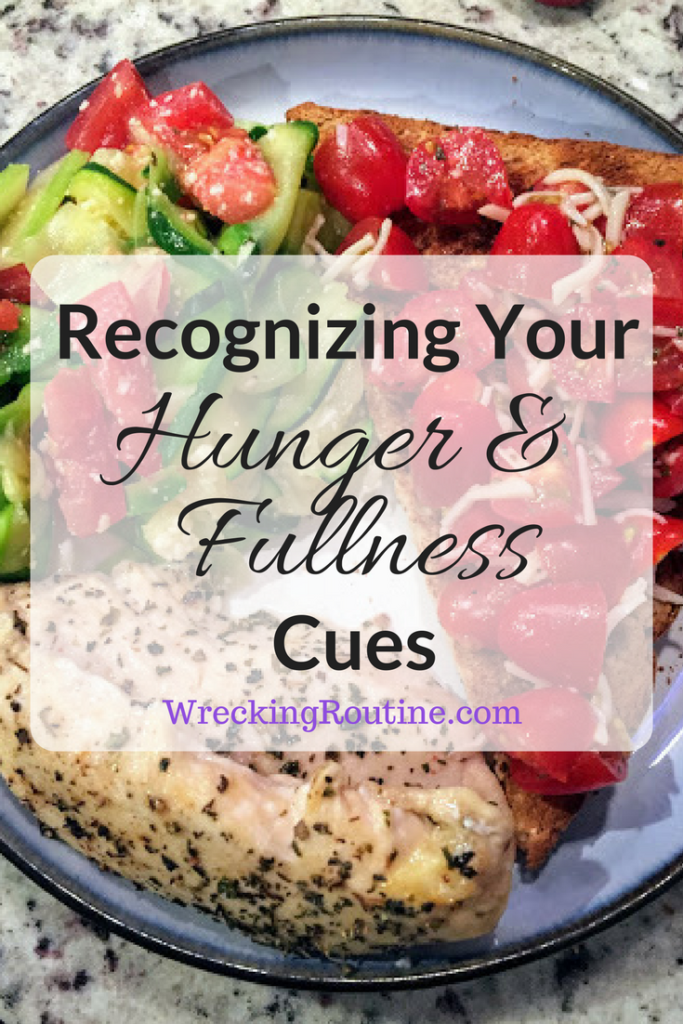
Rather than have this happen again and again, pay attention to your hunger cues. Sure your lunch break may not be until one pm, but if you are hungry at noon, eat something! Even if it it just an apple to carry you through that hour.
Some more food for thought (see what I did there?), oftentimes, dehydration represents itself as thirst. If you are feeling snacky, try drinking a glass of water, wait about 20 minutes, and see if your hunger goes away. If it does, then it was thirst. If it hangs around, then eat something (nutritional of course)!
Same rules apply to listening to your full cues, or stopping when you’re full. Many of us were brought up with the “clean your plate” rule that has carried over to adulthood. There is no problem with not finishing those last four bites or asking for a to go container. Remember that it takes about 20 minutes for your brain to register that the stomach is full, so if you’re already full and you eat those last few bites, you will be uncomfortable in a matter of minutes.
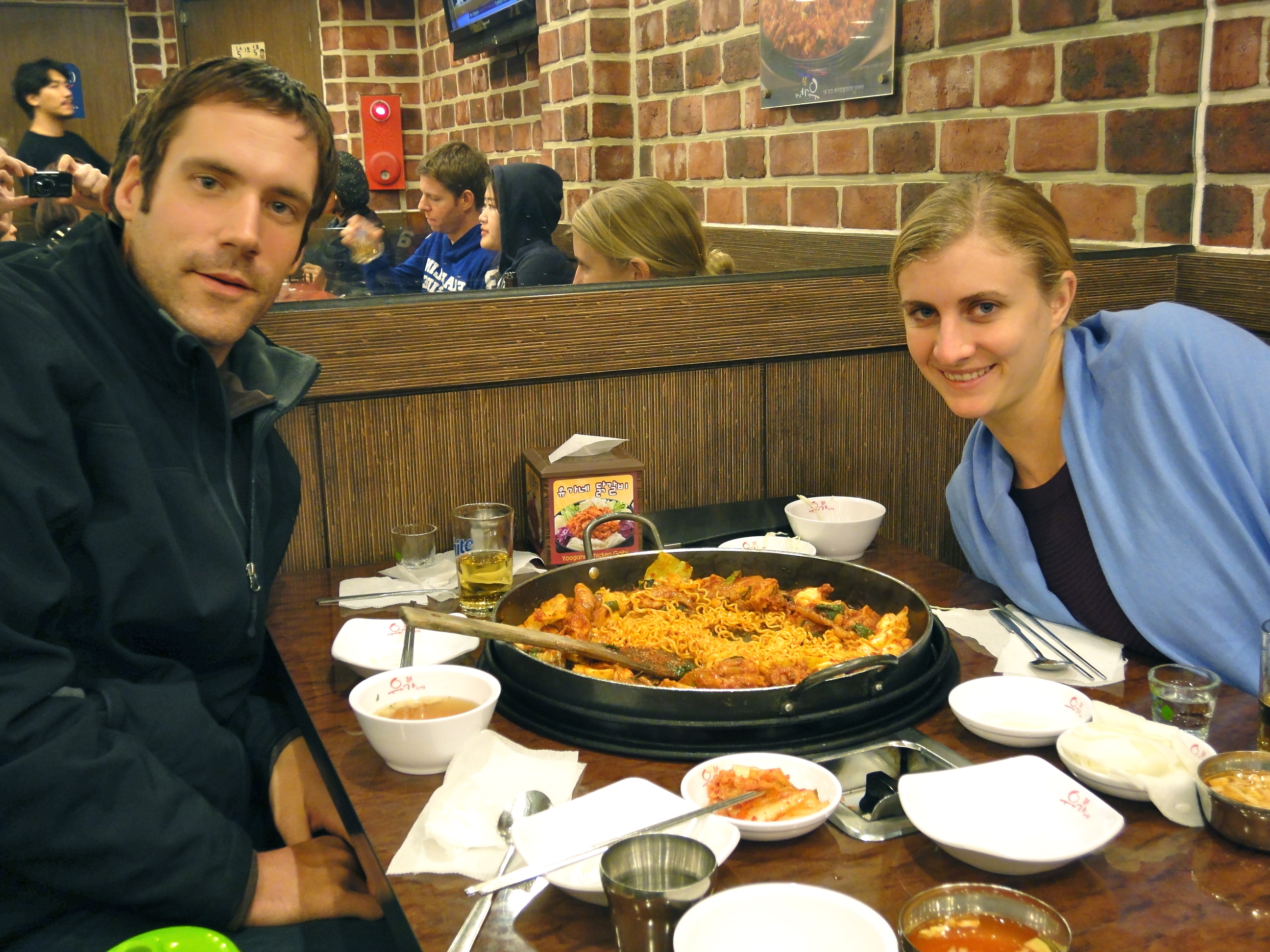
Another sign you are full? You are no longer enjoying your food. If you are on autopilot putting food in your mouth, but are not actually tasting it, then you’re most likely full. “Autopilot” eating tends to happen when we’re distracted during meal times with watching TV being one of the biggest distractors.
Spend this week really paying attention to your hunger and full cues. A few tricks to help you start forming those healthy habits around fullness cues include:
- putting your utensil down between bites
- popping in a mint, gum, or using mouthwash when you’re finished with the portions you packed
- getting up and doing something else once you’re done (go for a walk, call a friend, tidy the house)
- setting a timer for 20 minutes before going back for seconds
- plating all your food (not eating straight out of the bag)
- putting the extra portions away in containers before eating the plated portion.
If you try these “tricks” but find that you are still hungry, then eat something! Obviously your body is telling you that it needs more nutrients. These tricks are best for those trying to change their overeating habits while they learn when they have had enough.

If you would like help identifying your hunger and fullness cues and support as you work to change your behaviors, the 14 Day Health Kickstart is an excellent place to start as you focus on food and nutrition.
RQ: How do you pay attention to your hunger and fullness cues?

I’m Brooke Selb, a Personal Trainer and Health Coach specializing in helping busy moms and moms to be to easily juggle mom life with family friendly recipes, and easy exercise routines to help you achieve your fitness goals that fit in with your already busy life with sound nutritional advice.


Have you ever written a post about your go-to snacks? Since we have pretty much the same job, I’d love to steal some ideas about what to eat during the day. I always am ravenous at night (and at lunch, but then I can eat only what I packed) because I can’t figure out how to eat enough during the day. I bring snacks, but more often than not, they end up sitting on my desk with just a bite or two gone because I have to, you know, teach. What do you do?
These are great ideas. I also like to plan on saving some for lunch. If I know when I’m making dinner or ordering food that this is going to be my lunch the next day it makes it way easier for me to stop eating because in my mind I need to save enough for it to be a filling lunch. I still always end up full, but not over full, so it’s a win.