Eating healthier does not have to be hard. These six simple steps will show you exactly how you can meal plan without spending hours researching recipes.
I spent about two years not having a plan.
I would walk through the grocery store when I was out of food and wander the aisles for items that looked good at the moment, were on sale, or I knew I was “supposed” to be eating.
If I felt uninspired to step into my kitchen, or was just feeling lazy in general, I would pick up some Panda Express.
When it came to workouts, I just ran how ever many miles I had time for before work on weekends before the Arizona heat kicked in. If there was a cheap enough 5k on a Saturday morning, I would register to run it that same day.
I seriously had no plan.
As a result, I put on about 25 pounds, was consistently fatigued, and very frustrated that even though I was running a ton, I was not in better shape.
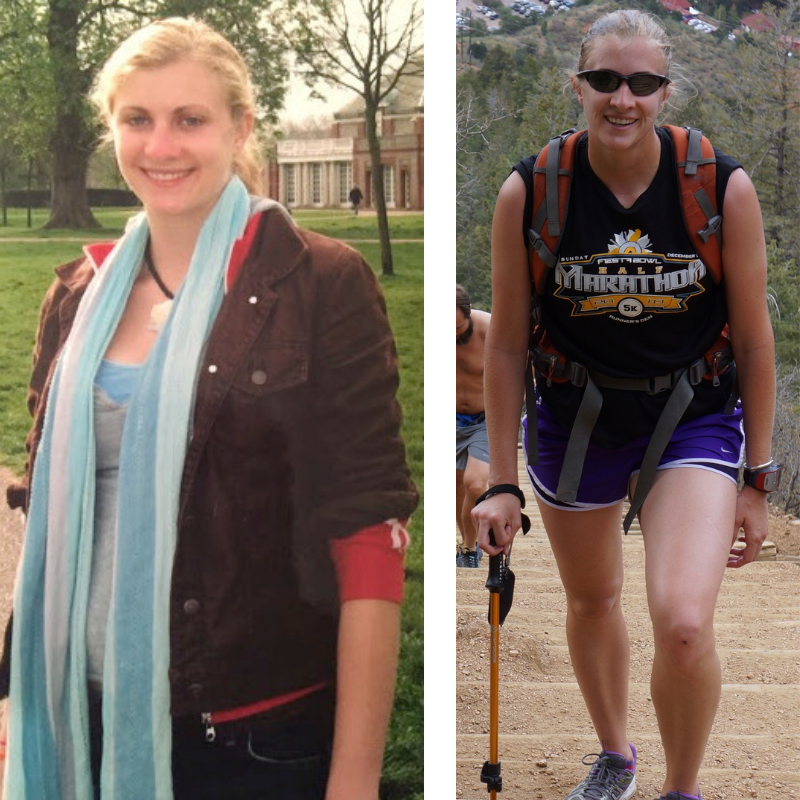

You can read more about my health and fitness story here.
Once I started to see some of the real benefits to planning my meals and my workouts, I knew I could not go back to not having a plan for the week. Especially once Zoey and William arrived, having something solid in place became even more important.
You can read Zoey’s birth story here.
You can read William’s birth story here.
This post contains affiliate links. I appreciate your support!
Set Realistic Goals
When I first started meal planning, I bit off way more than I could chew. I attempted to meal plan all of my meals and snacks for an entire week while not knowing how to cook anything except pasta and the occasional chicken breast (chopped into chunks and served over pasta).
Instead of trying to take it all on, ultimately getting overwhelmed, and going back to a diet cycle, you need to take it one step at a time when you are trying to eat healthier.
Narrow down your goals
If your overall goal is to eat healthier for your family, you need to break that down into exactly what it means. For instance, healthier eating could mean:
- Including at least one vegetable with every dinner
- Drinking less alcohol
- Eating a breakfast with protein
- Limiting simple carbohydrates
- Incorporating one meatless meal per week
Simply having a goal of eating healthier is not specific enough to start making changes. With a more itemized list of what that means, you can narrow in on what you actually need to do to make that goal a reality.

Work on one goal at a time
Once you have broken down your goal into more specifics, you need to work on one listed item at a time.
Sure, you could tackle all of them at once, but be honest with yourself about how much you can take on. Historically, taking it all on is how you have just started winging it in the past and quit whatever diet you started. Too much at once is not going to be sustainable and give you lasting changes.
Instead of doing them all, pick the one that feels the easiest to change now. Spend at least two weeks focusing on just that. Once you have mastered it, or feel like you have a sustainable handle on it, then you can add in the second listed change that feels the next easiest. If both changes live in tandem together and do not feel overwhelming over another two weeks, add in a third.

Continue this process until you have successfully completed all those goals! It will make the process of eating healthier feel easy.
I know the progress is going to be a bit slower than you would prefer, but think about how your progress has been up to this point. Starts, stops, restarts, stops again, and the cycle continues.
What if you tried it this way and really made the effort to change one thing at a time in a realistic way for your lifestyle? It might be the exact thing that needs to happen to give yourself that lasting change.
How to plan healthier meals
Since joining the CSA in Arizona when I first started taking back control of my health, I had to plan my meals. It was impossible to just wing what to do with 12 green peppers during the week.
Meal planning used to take me a couple hours as I had to research recipes for every single meal. I was a terrible cook, so learning what went into specific dishes, how to cook them, and figuring out what ingredients I had took a while.
Now, I have meal planning down to about 10 minutes or less with a list of simple recipes I know the whole family loves, a rough plan for how many meatless nights we would like, and a running knowledge of what we have in the fridge and freezer.
I teach the six steps it takes to build a nutritious plate and weekly meal plan in the Healthy Meal Plans, Confident Meal Prep course. This course teaches you exactly how to avoid going to the grocery store every other day while not overloading your fridge. You will learn to perfect the process of meal planning instead of being stuck all week with crappy food. Start learning here.
Look at your schedule for the week
This is arguably the most important step.
If you know your child has soccer practice on Tuesday night and you do not get home until seven at night, then that is not the night to try a new recipe or bake enchiladas that take 45 minutes.
That is the night to take a frozen casserole out of the freezer, start the crockpot early, or have a dump and go dinner ready for the Instant Pot as soon as you get home.
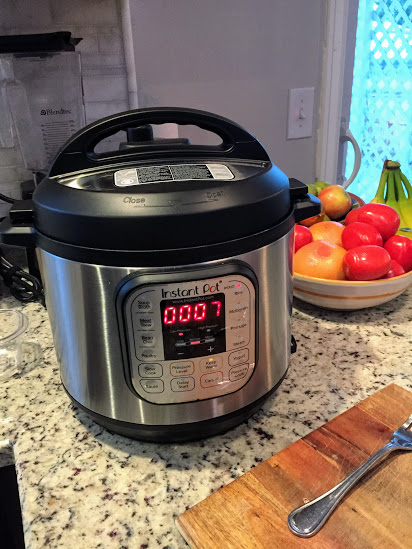

Planning your meals based on your schedule means you are less likely to defrost a chicken you do not end up cooking and then throwing out, or buying produce that is going to sit and rot because it does not have a designated purpose.
Plan vegetables first
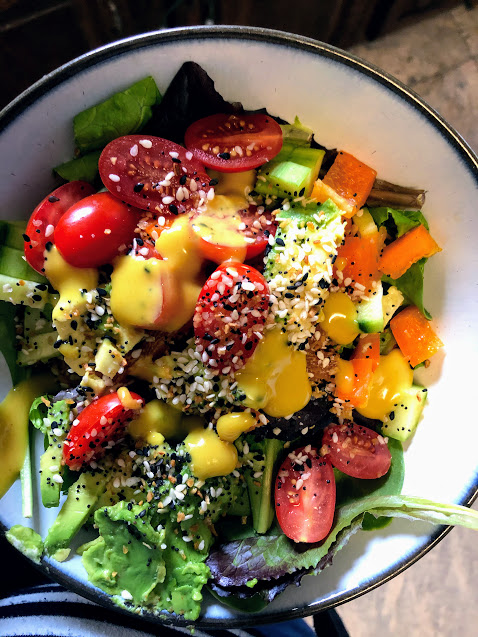
With how important vegetables are for your body, you need to flip the script and plan with your vegetables in mind first. Then, you can add in your protein source.
Planning with vegetables in mind first means you will definitely get in your servings rather than just fitting in a piece or two of broccoli onto the corner of your plate to check off the “something green” box.
Use this list of 18 vegetable loaded meals to inspire you to add more to your dinners, or at least go with a Meatless Monday.
Half of your plate should be vegetables, which may mean you have to up your produce purchases.
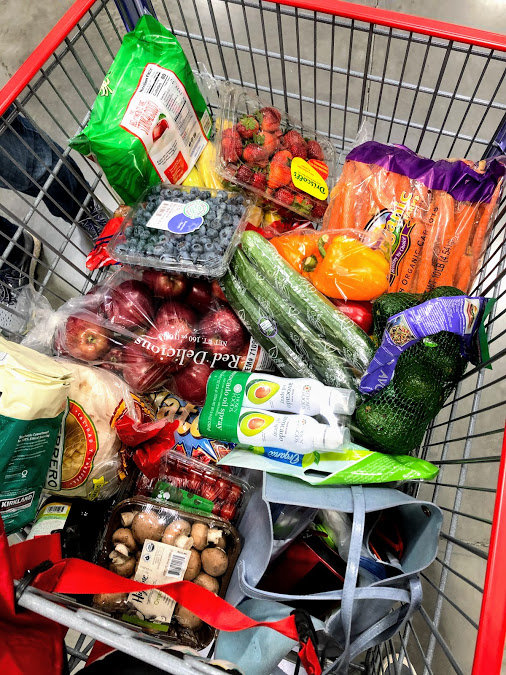
To save a bit of money on produce, try perusing your grocery store’s mailer to see what items are on sale. Another great option is to buy frozen vegetables or head to Costco to get them in bulk.
Make a grocery list
My hardest weeks for eating healthier are when I go to the grocery store without a grocery list and just put random items in my cart.
The task once I get it all home is to try and figure out how it fits together on any given night. While that does not sound like an arduous task, it becomes frustrating to piece it all together. Ultimately, it means I do not end up eating as well as I could have and a lot of the vegetables go to waste.
Once you make your meal plan, make sure you write out your grocery list. However that grocery list writing works best for you, just be sure you do it. This could mean you hand write it (like me), you order online, or you write a bullet list in your phone.
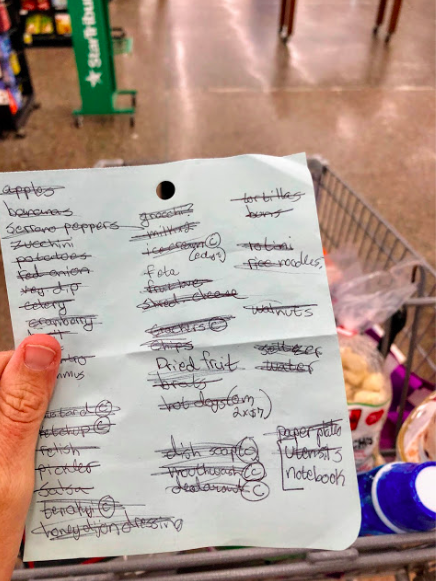
When you finally do make it to the grocery store, stick to the list. No random items jumping into the cart. Those random buys are the ones that puts the healthy meal plan you just spent all this time writing out the window and pushes you over the edge of your grocery budget.
Create a meal prep plan
Before kids, as I was still learning how to cook, I would spend anywhere from 3-4 hours cooking in the kitchen on a Sunday afternoon to meal prep for the week.
With time being much more restricted these days, that 3-4 hour window is long gone.
Meal prep now happens as it can: in 20 minute increments. These 20 minute times could be as simple as chopping a few extra snacking vegetables while I am already chopping for tonight’s dinner, making a second batch of dinner to throw in the freezer, or starting something separate in the Instant Pot so it is ready to go for the next night.
These Rubbermaid Storage Containers are my absolutely favorite.
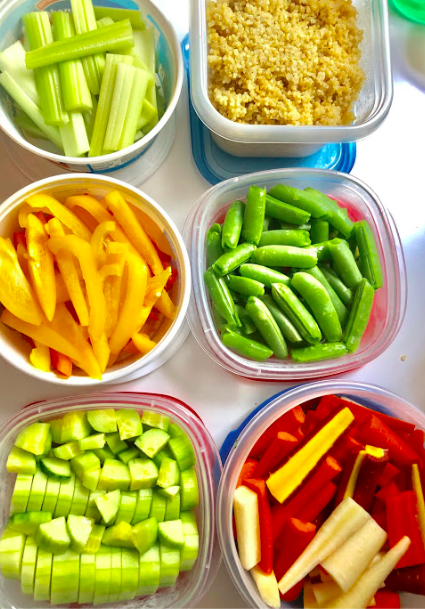
With a bit of planning ahead, you can accomplish a good amount of kitchen tasks in the short amount of time you have available.
Check out this full list of tasks you can do in 20 minutes or less to help meal prep go smoother.
I teach you exactly how to create a meal prep plan to make preparing meals and planning ahead much easier in the Healthy Meal Plans, Confident Meal Prep course.
If you skip meal planning
Even though I have been consistently meal planning for the past 10 years, there are weeks that it just does not happen. Sure, I know the week will be much more hodgepodge than if I had a plan, and I will not feel as strong and energetic, but schedules get busy and a failure to plan just happens.
So, what should you do if you skip meal planning one week? These are my top three recommendations.
Let go of the guilt
You are doing the best you can. Give yourself some credit for all you have taken on, all you trying to do, and how far you have come in this eating healthier process.
Skip the beating yourself up and just move forward knowing that you need to set aside some dedicated time to meal plan the following week.
Plan what you can
Even if you can only get a plan in place for the next 24 hours, that is going to keep you closer to your healthier eating plan than just winging it for the whole week.
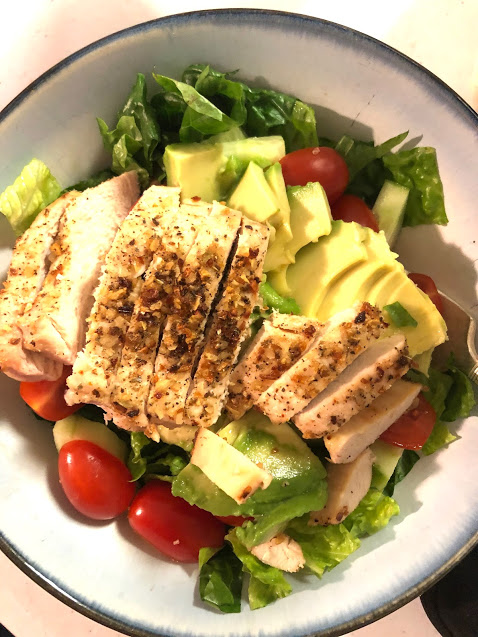
If the next 24 hours is too much to put together, then just go with the very next meal. Ideally, you will be able to focus on getting in a quality amount of vegetables with that next meal no matter how simple it is.
Evaluate what needs to change
It is time to get honest with yourself about why you were not able to meal plan for the week.
Did you have time to do it, but just did not?
Have you been spending too long on your meal plan and it is starting to feel arduous?
Are you not organized enough with a few systems in place (knowing where to find recipes, having a place to write your meal plan down, keeping track of what your family will actually eat, etc)?
Whatever the reason a meal plan and eating healthier did not happen, evaluate how you can adjust things for the next week so you can actually get it done.
The Healthy Meal Plans, Confident Meal Prep course gives you step by step instructions on how to build nutritious meals for your family, where you can keep the meals that your family does enjoy, and printable meal planning guides to keep you organized. Snag your course here.

I’m Brooke Selb, a Personal Trainer and Health Coach specializing in helping busy moms and moms to be to easily juggle mom life with family friendly recipes, and easy exercise routines to help you achieve your fitness goals that fit in with your already busy life with sound nutritional advice.


This is just what I need!!! Love this
I hope it helps you in some way get those healthier eating habits underway.